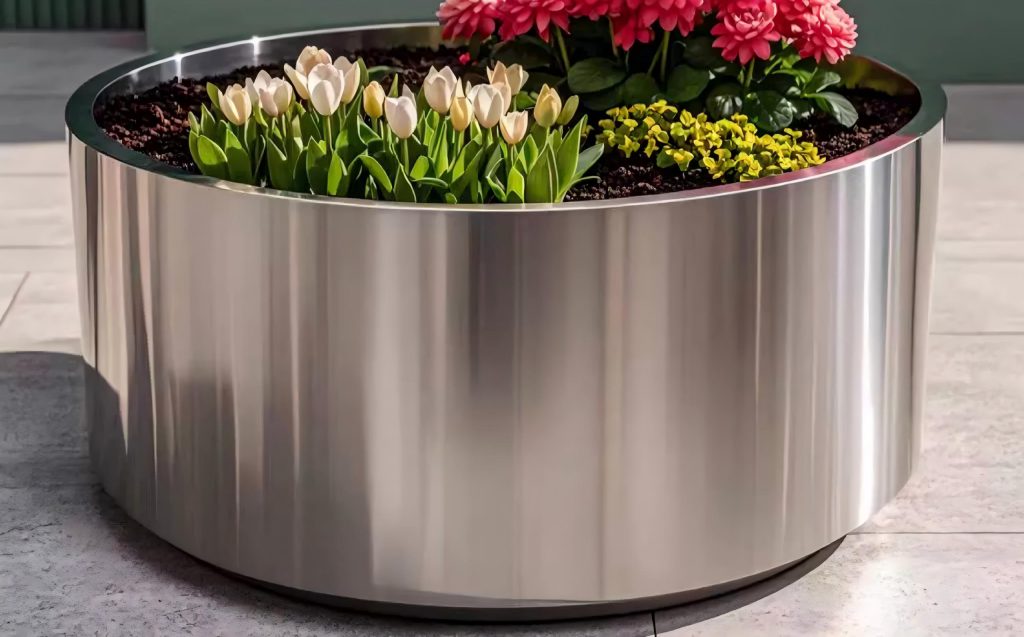
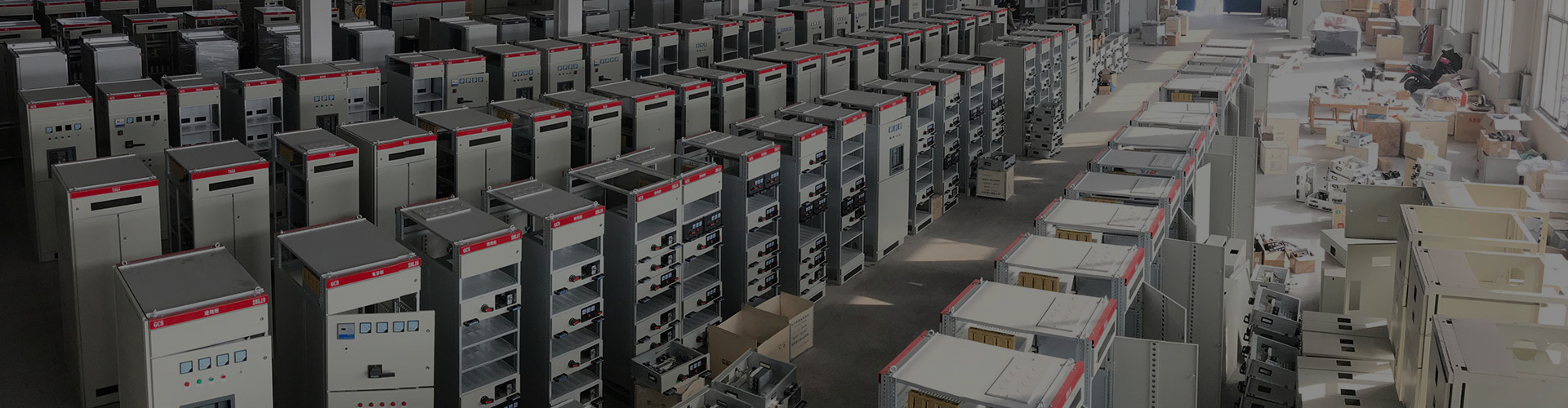
In metal sheet manufacturing, material selection directly impacts product performance, service life, and suitability for specific applications. Weathering steel, galvanized steel, and stainless steel—three widely used metals—demonstrate distinct advantages across industries due to their unique chemical compositions and physical properties. This guide analyzes their core differences and practical applications to empower customers in making informed material decisions.
Weathering Steel: Nature’s Self-Protective Cladding Solution
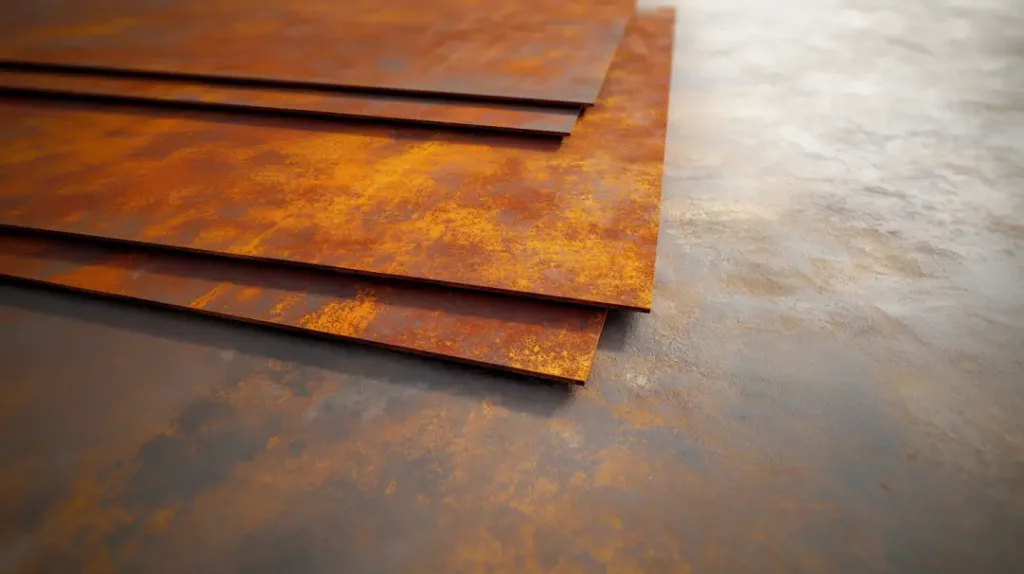
The addition of alloying elements such as copper, phosphorus, chromium, and nickel to weathering steel alters the composition and structure of the rust layer. This promotes the formation of inner-layer α-FeOOH while inhibiting the generation of loose Fe₃O₄. Consequently, the surface of weathering steel exposed to outdoor atmospheric conditions develops a protective rust layer over time. This dense rust layer acts as a protective coating, effectively blocking the penetration and migration of corrosive substances into the steel interior, thereby halting further corrosion.Due to its outstanding corrosion resistance and unique aesthetic appeal, it is widely used in landscaping, architecture, transportation vehicles, and offshore platforms.
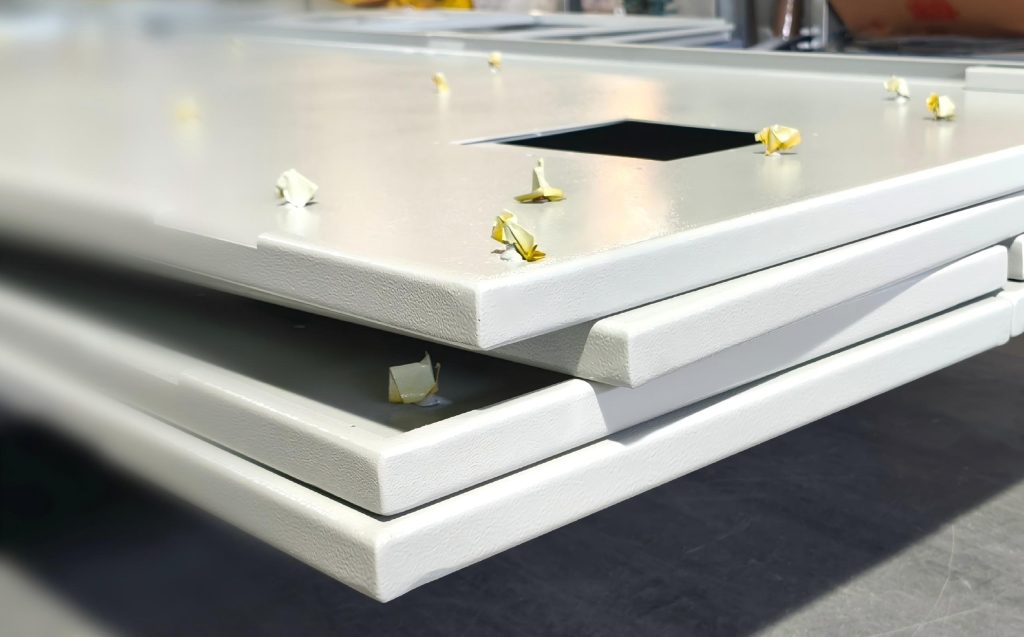
Galvanized steel forms a protective zinc coating through hot-dip galvanizing or electrogalvanizing processes. Its cost is lower than weathering steel, but its protective zinc layer is susceptible to mechanical damage and offers limited corrosion resistance in acidic or alkaline environments compared to stainless steel.
Core advantages include: exceptional weldability enabling seamless construction, uniform zinc coating blocking moisture ingress, and strength meeting structural requirements. Limitations include susceptibility to scratch-induced corrosion and reduced durability in extreme chemical environments. Primary applications cover communication cabinets, electrical enclosures, HVAC ductwork, and solar panel mounting structures—suitable for cost-sensitive projects requiring moderate corrosion protection without specialized environmental resistance.
Stainless Steel: Chemical Resistance for Extreme Environments
The properties of stainless steel stem from the chromium oxide (Cr₂O₃) passivation film that forms on its surface. When chromium content exceeds 12%, this film exhibits self-healing capabilities. 304 stainless steel typically requires no base metal corrosion in standard NSS tests (e.g., 72-96 hours), while 316 grade (containing 2-3% molybdenum) excels in chlorine-rich marine environments. Its tensile strength generally exceeds 520 MPa, offering excellent hot and cold working properties. However, compared to carbon steel, its higher material cost (3-5 times that of galvanized steel) and lower thermal conductivity limit certain applications.
Core advantages include: exceptional corrosion resistance across pH ranges, hygienic non-porous surfaces suitable for sterile environments, and long-term durability with minimal maintenance requirements. Primary limitations are higher initial costs and potential galling during mechanical fastening. Its unique blend of functionality and aesthetic value makes it indispensable for applications demanding both corrosion resistance and visual appeal, such as luxury kitchen appliances and marine hardware.